
Reading in the age of AI
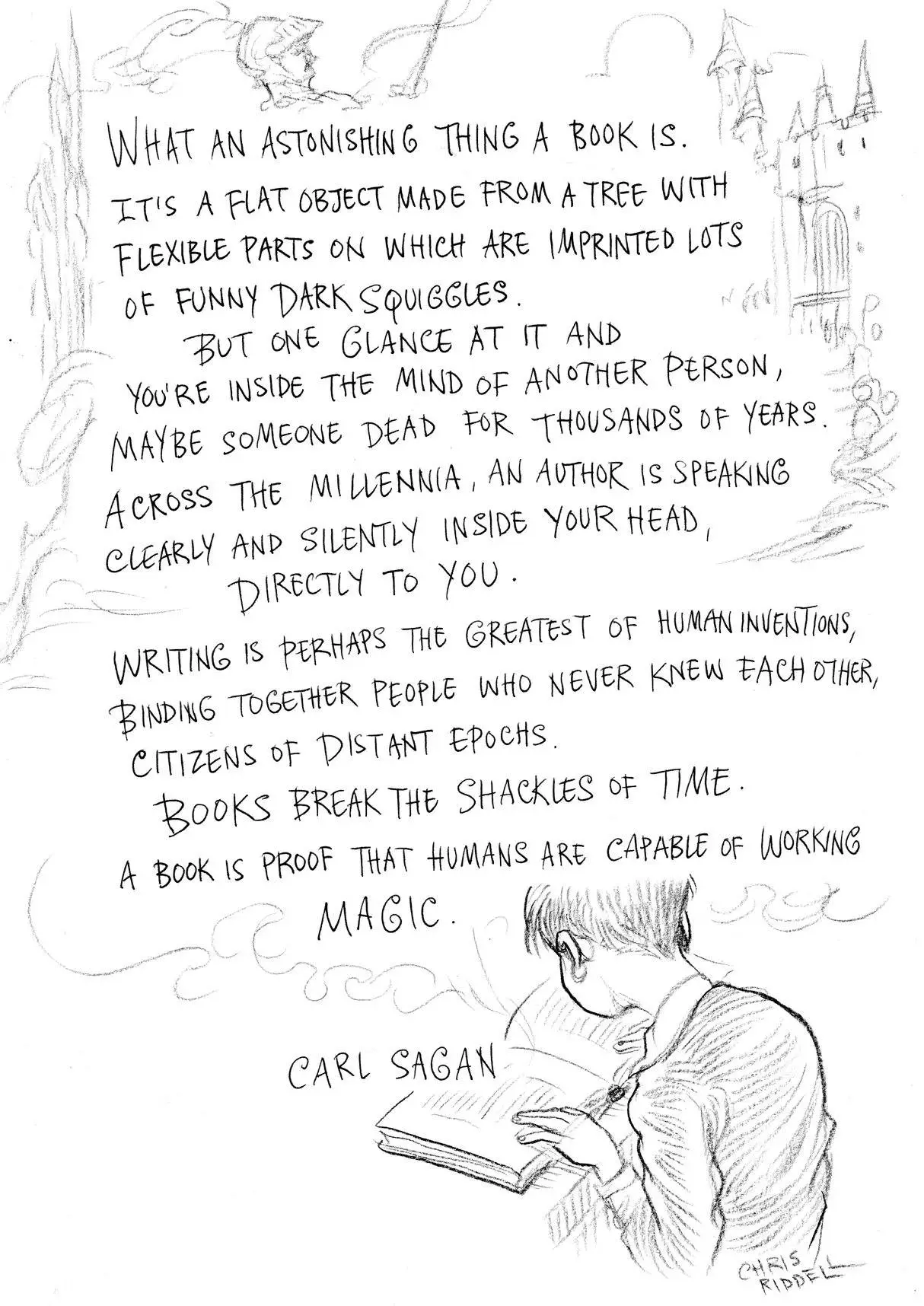
The point of reading a book is not extracting information but having a conversation with the author and thinking about what the author is proposing. Paraphrasing David Kadavy, it’s about answering the questions you had in mind when you opened the book.
Ezra Klein, quoted in Brain Food (Farnam Street’s newsletter):
Part of what is happening when you spend 7 hours reading a book, is you spend 7 hours with your mind on the topics in the book, grappling with them, drawing connections, having thoughts you would not otherwise have had. And so without that process of grappling, without those hours inside that book, it doesn’t get inside you. It doesn’t impress itself upon you. It doesn’t change you. What reading and writing and processing information is supposed to do is change you.
Sometimes I share an idea or a quote from a book with friends. My intention is to start a conversation. What’s happening lately, however, is that sometimes, someone replies with an AI-generated summary of the book. Maybe even an infographic, or a NotebookLLM-generated video. Which is fine, I guess?
Some years ago, a friend of mine was completely enthusiastic about one of those services that offers “executive summaries” of business books. The summaries were good. They extracted the gist of the book in question in a couple of pages. There was even a section of “actionable items”, probably a bait for wannabe executives.
I never got what reading a summary instead of reading the book itself was about. But I found that those summaries were appealing for people who didn’t read books. They didn’t enjoy reading, nor were willing to put the effor required to understanding an author’s arguments. Reading was a chore for them. They extracted quotes they could use in their powerpoints. It provided them with one-liners they could use in casual conversations. They learned new buzzwords. But their level of understanding was shallow, not useful for deep thinking and improving their decision making.
AI can give you answers in a few seconds. If the book you are reading has been used for its training, it will give you a summary at the level you request. If not, it can probably search summaries on the internet and get back to you.
What AI won’t give you is understanding. Its answers will not probably change your point of view, or change you. AI can be, however, of great help while reading. You can ask AI to explain concepts. You can use it to create learning paths for you, or recommend related books.
For example, while reading Byung-Chul Han’s The Transparency Society, I came to the notion of Bentham’s Panopticon. I asked Claude to explain what the panopticon was about. Then I asked some more questions to clarify the answer. Then, I asked who Bentham was and his ideas. I finally created a stand-alone note about Bentham’s Panopticon for further reference.
Other times I use AI to search for a new angle I may be missing. I also ask it to explain things I already have a good understanding about. Sometimes, after finishing a chapter of a book and summarizing its content in my own words, I’ve fed the summary to NotebookLLM to generate a short video that I can share. At a minimum, you can use AI as a glorified dictionary.
If you are not reading a book these days, today is a good day to start.